

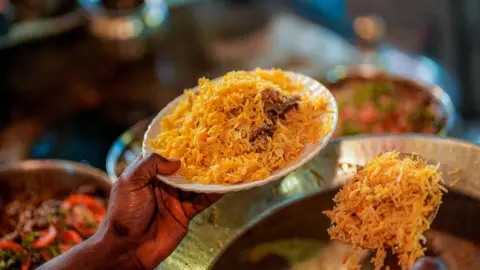
Tempting kebabs, aromatic biryani, and airy, cloud-like desserts.
The northern Indian city of Lucknow has forever been a dream destination for epicures, with inhabitants and visitors alike swearing by its remarkable cuisine.
An International Accolade
Last month, Unesco honored it as a UNESCO Creative City for Gastronomy – placing it on a select roster of world cities and sparking hopes that it will spotlight Lucknow's exceptional food. With this designation, it joins a global network of cities cities across over 100 countries focused on promoting "innovation as a catalyst of city development that is sustainable".
The accolade "is a testament to its deep-rooted food heritage and dynamic culinary scene," as noted by a representative from UNESCO's regional bureau for South Asia.
Lucknow is only the second Indian city – after Hyderabad, which was selected in 2019 – to earn a spot in this highly sought-after list of 70 cities internationally.
An Urban Center with a Culinary Soul
The accolade for this venerable city comes as hardly a shock to its residents or avid food lovers. Many agree with the view that it is "an honor long overdue".
With the UNESCO accolade, this adored, chaotic, and eclectic city – the capital of India's most populous state – is at last in the limelight for what has consistently characterized its soul: an immense love for food.
"'The day's menu, how will it be cooked' is a constant conversation from waking up until night in most homes," explains a local cultural expert. "And you are often evaluated by the excellence of food that comes out of your kitchen."
A Heritage of Nawabi Cuisine
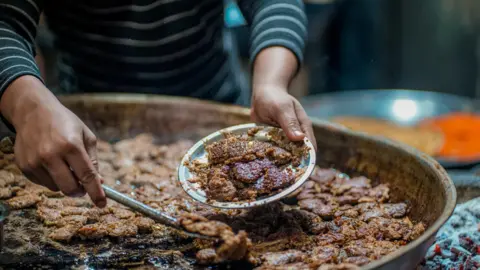
The City of the Nawabs – as it's popularly called after its 18th and 19th Century opulent Muslim rulers – is renowned for its tender kebabs and a singular take on biryani that were invented, perfected, and elevated to sublime levels in their opulent kitchens.
These royal kitchens were centers of culinary innovations, merging Persian and native Indian styles to create what became known as the cuisine of Awadh.
It was in that period that Lucknow's iconic kebabs were created. As the tale is told that the mutton galouti was created to cater to an elderly nawab who had no longer had his teeth. His cooks ground the meat with raw papaya, saffron, and a blend of spices and made it so soft that it needed no chewing.
But arguably the biggest contribution of the chefs of Awadh was the slow-cook Dum pukht technique, where food is prepared on a low, leisurely heat, with the container's cover securely closed with dough.
More Than Just Famous Dishes
Apart from the obvious kebabs and biryani, the culinary masters also created a repertoire of dishes that included kormas (rich curries), sheermal (saffron-infused flatbread), and shahi tukda (a sweet bread pudding).
However, Lucknow is not just about kebabs and biryani – the region is additionally a vegetarian's paradise.
The local Baniya community's cuisine not only highlights fresh harvests but also gives the city its highly curated Indian desserts, sweets, and unique street food, like chaat – tangy fried snacks.
Hidden Gems and Legacy Eateries
Almost on many street corners, there are little shops and kiosks – little-known delights that are wildly favored by the locals.
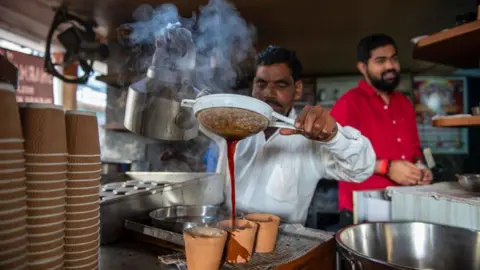
In the heart of the city of Hazratganj, throngs of people start milling around from early morning at a renowned tea stall to get a steaming cup of milky masala chai, presented in earthenware cups, along with incredibly soft buns lathered with hand-churned white butter.
To start the day, one can visit a simple joint located in the old city area of Aminabad. Nearly 150 years after it was set up, the place is still highly popular for its hot kachoris (fried bread stuffed with lentils) and jalebis (crispy, syrup-soaked sweets).
Preserving Tradition for the Future
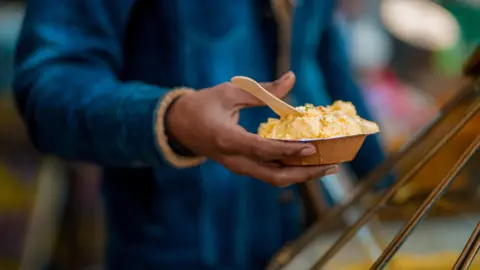
The city also presents unique treats of the season, such as makkhan malai, a frothy dessert available in the winter. The method of making it is precise and demanding. The artisan beats the milk and then leaves it out at night, allowing the dew to give it its amazing airy feel.
On cold mornings, street vendors are often seen in historic neighborhoods like Aminabad and Chowk. Many however note that their children are reluctant to master the art.
A celebrity chef from Lucknow has frequently stated that the city's immense food legacy puts it among the best of the Indian street food experience. The true benefit from the UNESCO recognition, however, will be realized only if Lucknow can now create awareness about its under-the-radar eateries.
Every dish in Lucknow tells a story – crafted by multi-generational food businesses, from humble street carts to bustling restaurants, and guarded family recipes.
The global recognition, it is hoped, will inspire more people around the world to learn these narratives and travel to the city to delight in the food wonders of Lucknow.


